

Office allergens are airborne and surface particles such as dust mites, mold spores, pollen, and pet dander that trigger respiratory symptoms and reduce employee productivity. HEPA-filter vacuums capture up to 99.97% of particles down to 0.3 microns, and indoor humidity between 30 and 50 percent prevents mold growth. These two controls anchor any allergen-conscious office cleaning program.
Ziva Cleaning Services understands how indoor allergens affect workplace well-being and performance. Through tailored office cleaning services, we help businesses reduce allergens, support employee wellness, and maintain a healthy, productive environment. This guide walks facility managers and business owners through practical steps to reduce office allergens using effective cleaning strategies.
How Do Office Allergens Affect Employee Health and Productivity?
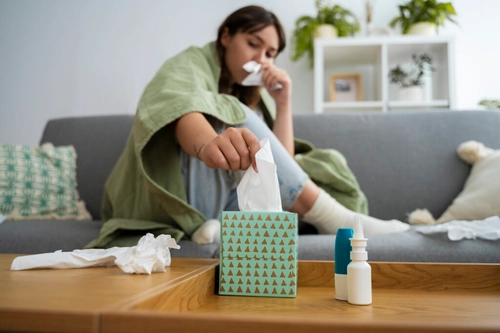
Allergens such as dust mites, mold spores, pollen, and pet dander accumulate quickly in busy workplaces. Unlike obvious dirt or clutter, allergens are often invisible, but they can cause sneezing, watery eyes, skin irritation, coughing, and breathing difficulties. For employees with asthma or seasonal allergies, exposure to unmanaged indoor allergens can worsen symptoms, especially during peak allergy seasons.
Roughly 26 million U.S. adults live with asthma and tens of millions more experience seasonal allergic rhinitis, meaning a meaningful share of any office workforce is sensitive to indoor air quality. Exposure tends to spike in predictable scenarios: HVAC startups after weekends, post-construction dust drift in newly renovated suites, pollen carried in on clothing during spring and fall, and humidity swings that encourage mold growth in break rooms or restrooms. Addressing these scenarios proactively is part of broader workplace hygiene and is closely tied to preventing office illnesses through professional cleaning.
Research on allergic conditions shows that uncontrolled allergy symptoms can reduce work productivity and increase presenteeism, where employees are physically present but not performing at their best. When allergens are managed through consistent cleaning services for offices, staff experience fewer symptoms, better focus, and a more comfortable workday. For more on how cleaning supports performance, see our guide on regular office cleaning to boost employee productivity.
What Cleaning Methods Reduce Office Allergens?
Targeted Dusting and Surface Cleaning
Dust is one of the most common indoor allergens and collects on almost every surface over time. Bookshelves, window blinds, air vents, filing cabinets, monitor stands, and even ceiling tiles can all harbor dust and irritants.
Use microfiber cloths instead of regular dusters: Microfiber traps fine particles instead of pushing them back into the air.
Clean from top to bottom: Start with high surfaces such as the tops of cabinets, vent covers, and shelves, then move down to desks and lower surfaces so loosened dust does not resettle on areas you have already cleaned.
Pay special attention to shared spaces, such as conference rooms, break rooms, and reception areas, where airborne particles circulate among more people.
For help building a consistent plan, review our resources on how to create an office cleaning schedule for your business.
Use HEPA Vacuums in Daily Office Cleaning Services
Carpets, rugs, and fabric-covered furniture act like sponges for allergens. Walking across carpets or sitting on upholstered chairs can release particles back into the air, especially if low-quality vacuums are used.
Choose HEPA-filter vacuums: These capture up to 99.97% of particles down to 0.3 microns, including common office allergens like dust mites, pollen, and mold spores.
Vacuum high-traffic areas, including entryways, hallways, and workstation zones, at least daily during peak allergy seasons.
Include specialty cleaning: Desk chairs, fabric partitions, curtain panels, and upholstered lobby seating all need attention in deep office cleaning services.
We incorporate HEPA vacuums into our office cleaning services and broader commercial cleaning services to help keep allergens under control in offices of all sizes.
Control Humidity to Limit Mold and Dust Mites
Moisture and humidity create ideal conditions for mold growth and dust mites, both of which are well-known allergy triggers. The EPA recommends managing moisture quickly and maintaining proper humidity to prevent mold and biological contaminants from taking hold.
Practical steps include:
Use dehumidifiers in areas that tend to be damp, such as break rooms, restrooms, basements, and mechanical rooms.
Address leaks and condensation promptly.
Ensure vents are not blocked and use exhaust fans in high-moisture areas.
Clean Office Fabrics and Soft Surfaces Regularly
Soft surfaces are major reservoirs for allergens. Over time, dust, pollen, pet dander from visitors, and mold spores settle deep into carpets and fabrics.
Recurring carpet cleaning services help remove embedded allergens and extend carpet life.
Deep clean upholstered chairs, couches, and fabric panels as part of deep office cleaning services.
Wash removable fabric items regularly, ideally in hot water when the material allows.
Choose Fragrance-Free and Hypoallergenic Cleaning Products
Cleaning products themselves can aggravate allergies and sensitivities when they contain strong fragrances or harsh chemicals. Indoor air quality guidance highlights the role of chemical pollutants and fragrances as contributors to discomfort and irritation.
To reduce these issues:
Use hypoallergenic, fragrance-free cleaners whenever possible.
Avoid aerosol sprays that leave fine particles suspended in the air. Use pump sprays or pre-moistened wipes instead.
Consider simple, low-irritant ingredients such as diluted vinegar or baking soda for certain tasks where appropriate.
Work with your office cleaning services company to review product labels and confirm allergen-conscious options.
We prioritize effective, low-toxicity products that support both cleanliness and comfort in office environments.
Keep Windows Closed During Peak Pollen Seasons
Pollen is a major trigger for many allergy sufferers and can easily enter offices through open windows. During high-pollen times in spring and fall, keeping windows closed is one of the simplest ways to prevent pollen buildup indoors.
Rely on filtration instead of open windows: Use air conditioning or mechanical ventilation to regulate temperature and airflow.
Install and maintain quality filters: HEPA or high-efficiency filters in HVAC units help capture airborne allergens, but they must be changed on schedule to stay effective.
Monitor exterior conditions: If pollen counts are high, consider reinforcing indoor cleaning efforts and reminding staff to keep windows closed.
How Does HVAC Maintenance Reduce Office Allergens?
HVAC systems circulate every cubic foot of office air, which makes them the largest single influence on indoor allergen levels. Filter selection and change cadence determine how much pollen, dust, and mold the system removes versus recirculates back into the workspace.
Choose MERV 13 or higher filters where the HVAC system tolerates them. Standard MERV 8 filters miss most pollen and mold spores.
Change filters every 60 to 90 days under normal use, and every 30 to 45 days during peak allergy seasons or in high-occupancy spaces.
Schedule duct cleaning every three to five years, and sooner after renovations, water damage, or visible mold growth.
Clean accessible vent covers, diffusers, and return grilles during regular office cleaning to prevent dust from accumulating at the air handoff points.
Clean Hard Floors and High-Touch Surfaces Consistently
Allergens also settle on hard surfaces like desks, counters, floors, and equipment. Regular cleaning of these areas is essential to maintain good indoor air quality and reduce contact-based triggers.
Use damp methods on floors, since they collect fine particles more effectively than dry sweeping, which tends to push dust back into the air.
Disinfect high-touch surfaces frequently, including door handles, light switches, shared keyboards, and conference-room remotes.
Integrate these tasks into daily office cleaning services so they never get skipped on busy days.
When Should You Hire Professional Office Cleaning Services?
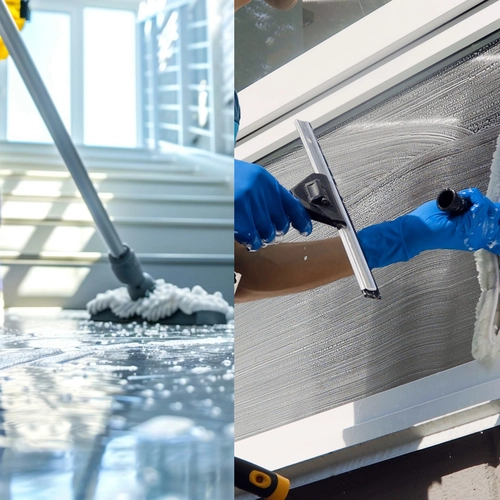
Even the most disciplined in-house routine cannot remove all allergens from an office, especially those deep in carpets, fabrics, vents, and high surfaces. This is where professional office cleaning providers become especially valuable.
We provide tailored cleaning services for offices that include:
HEPA vacuuming for carpets and upholstery
Deep carpet cleaning and spot treatment
High dusting of vents, tops of cabinets, and overhead structures
Restroom and breakroom sanitization as part of janitorial services
Contact us today to learn more about allergy-conscious office cleaning and request a customized quote built around your space and employee wellness goals.


